Viburnum Care

Caroll Alvarado
| 26-04-2026
 · Plant Team
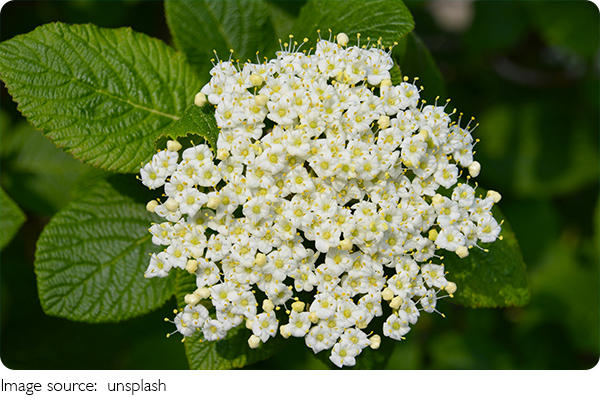
A cluster of viburnum blooms can quietly transform a garden corner—soft, rounded flower heads swaying gently with the breeze.
Their layered blossoms feel both structured and natural, but keeping them healthy requires a steady rhythm of care rather than complicated effort.
With the right attention, these plants can stay full and vibrant through their blooming season.
Light and Placement
Viburnum blooms thrive when they receive balanced sunlight throughout the day. Too much shade can reduce flowering, while intense direct heat may stress the plant.
Ideal conditions include:
• Morning sunlight with light afternoon shade
• Well-ventilated outdoor space
• Protection from harsh wind exposure
• Consistent light without sudden changes
Choosing the right location helps set a stable foundation for growth.
Watering Rhythm
Water plays a key role in keeping viburnum blooms fresh and strong. The goal is consistent moisture without oversaturation.
Helpful guidelines:
• Water deeply rather than frequently
• Allow the top soil layer to dry slightly between watering
• Increase watering during warmer periods
• Reduce frequency during cooler conditions
Balanced hydration supports both roots and flowering structure.
Soil and Nutrition
Healthy soil ensures steady growth and long-lasting blooms. Viburnum prefers soil that drains well while still retaining some moisture.
Key soil factors:
• Loose, well-aerated structure
• Slightly acidic to neutral balance
• Organic matter for nutrient support
• Avoid overly compacted soil
Occasional feeding during growth periods helps maintain bloom quality.
Pruning for Better Growth
Pruning helps shape the plant and encourages stronger flowering in the next cycle. It also improves airflow and light distribution.
Best practices include:
• Remove faded or weak branches
• Trim after flowering ends
• Maintain natural shape instead of heavy cutting
• Focus on thinning crowded areas
Gentle pruning keeps the plant balanced and healthy.
Seasonal Attention
Viburnum care changes slightly depending on the season, and small adjustments can make a big difference.
Seasonal care tips:
• Spring: support new growth with light feeding
• Summer: maintain consistent watering
• Autumn: reduce feeding and prepare for rest
• Cooler periods: protect roots from extreme temperature shifts
Adapting care helps the plant stay stable year-round.
Common Care Mistakes
Even hardy plants like viburnum can struggle if small details are overlooked.
1. Overwatering
Can lead to weak roots and reduced blooming.
2. Ignoring pruning
May cause dense growth with fewer flowers.
3. Poor placement
Too much shade limits flowering potential.
4. Irregular care routine
Sudden changes in watering or feeding can stress the plant.
Encouraging Healthy Blooms
Strong viburnum blooms come from steady, simple habits rather than intensive care. Observing the plant regularly helps detect early signs of stress or imbalance.
Helpful habits:
• Check soil moisture regularly
• Observe leaf color and texture changes
• Adjust watering based on weather
• Remove damaged growth promptly
These small actions build long-term plant resilience.
Final Reflection
Viburnum blooms respond best to consistency and gentle attention. With the right balance of light, water, and seasonal care, they develop into full, rounded clusters that bring quiet beauty to any space. Their charm lies not only in their appearance but in how naturally they reward steady, thoughtful care over time.