Katmai Bears
Liam Reilly
| 24-04-2026
 · Animal Team
At the edge of a roaring waterfall, a massive shape waits motionless in the current.
Water rushes past, salmon leap upstream, and in a split second the stillness breaks—power, precision, and timing collide.
This is the world of brown bears in Katmai National Park and Preserve, one of the most iconic wildlife viewing locations on Earth.
The Salmon Strategy
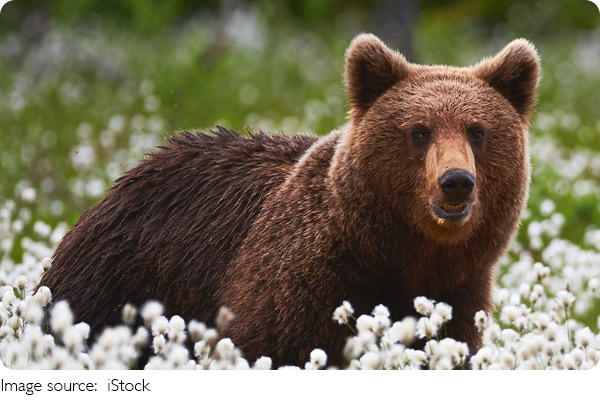
The most famous behavior of Katmai's bears is their seasonal fishing at Brooks Falls. Each summer, thousands of salmon migrate upstream, creating one of the richest food events in the natural world.
Bears position themselves at key points in the river where fish are forced to jump. Instead of chasing prey across land, they rely on timing and patience.
• They watch water flow patterns closely
• They choose positions with the highest jump density
• They conserve energy until the perfect moment
A successful catch is often over in a fraction of a second.
Massive Bodies Built for Efficiency
Katmai bears are among the largest brown bears in the world. Their size is not just for intimidation—it is directly linked to survival in a highly seasonal environment.
Before winter, they enter a phase of intense feeding to build energy reserves for months of reduced activity. This seasonal cycle shapes their entire behavior pattern.
Their strength allows them to hold positions in fast-moving water while resisting strong currents and competing individuals.
Unique Individual Personalities
Despite their size and shared habitat, each bear behaves differently. Some are aggressive competitors, others are patient observers, and a few specialize in precise fishing techniques.
Researchers and observers often recognize individual bears by:
• Fur patterns and color tone
• Body size and posture
• Preferred fishing spots
Over time, these differences create a complex social landscape around the river.
Survival in Extreme Seasons
Life in Katmai is shaped by dramatic seasonal changes. Food is abundant for a short period and scarce for much of the year.
During peak feeding months, bears can consume enormous quantities of salmon daily, converting energy into body mass at a rapid rate. Once winter approaches, they retreat into dens and reduce activity significantly.
This cycle is one of the most efficient energy management systems in the animal world.
How Visitors Experience the Bears
Katmai is one of the few places where humans can observe large wild bears at close but safe viewing distances.
Access is limited and carefully managed:
1. Reachable primarily by small aircraft from nearby towns
2. Boat transfers are used in certain regions of the park
3. Viewing platforms are built near river areas like Brooks Falls
The experience is designed to minimize disturbance while allowing observation of natural behavior.
Visitor Information and Costs
• Park Entry: Free for general access areas
• Guided Viewing Programs: Around $150–$400 USD depending on duration and transport
• Small Aircraft Transport: Typically $200–$600 USD round trip depending on departure point
Accommodation Options:
• Basic wilderness lodges: $200–$400 USD per night
• Mid-range guided stays: $400–$800 USD per night
• Remote premium lodges: $800+ USD per night
Most stays are short due to remote logistics and seasonal access.
Why This Place Feels Different
What makes Katmai stand out is not just the presence of large wildlife, but the clarity of natural cycles on display. The relationship between river, fish, and bears is tightly connected, forming a predictable yet powerful rhythm each season.
Visitors often describe the experience as observing a system in motion rather than individual animals.
A Living System of Timing and Power
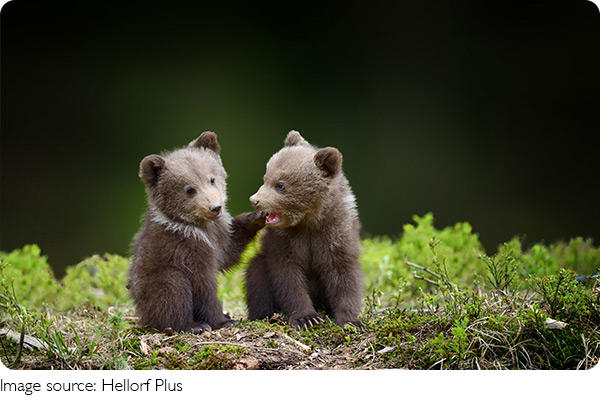
Katmai's bears are not just symbols of strength—they are part of a finely balanced ecological process. Every movement, from waiting at the river to catching salmon in mid-air, reflects adaptation shaped by time, environment, and survival pressure.
It is this combination of scale, precision, and seasonal rhythm that makes them one of the most compelling wildlife experiences in the natural world.