Bear Safety Guide

Caroll Alvarado
| 24-04-2026
 · Animal Team
A quiet trail suddenly feels different—the air still, the forest unusually silent. Then you notice movement ahead.
Encounters with wild bears are rare, but when they happen, your response matters more than anything else. Understanding behavior and preparation can turn a risky moment into a controlled situation.
Why Encounters Happen
Most encounters are not random. Bears are usually focused on food, movement, or protecting space. People often come close without realizing it.
Common triggers include:
• Surprising a bear at close distance
• Approaching areas with strong food smells
• Moving quietly through dense vegetation
Bears generally prefer to avoid humans, but sudden proximity can lead to defensive reactions.
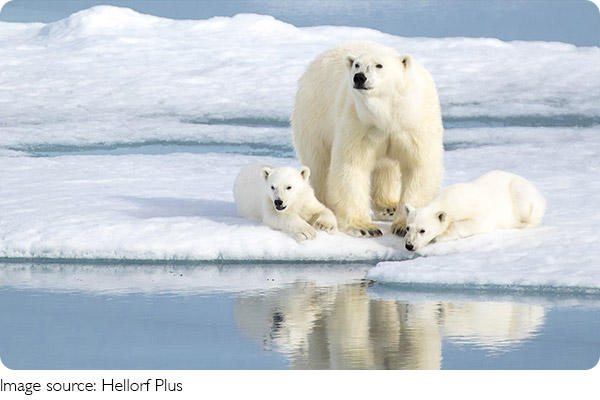
Prevention Starts Before the Trail
The safest encounter is the one that never happens. Preparation reduces risk significantly.
1. Make consistent noise while walking—talking or clapping alerts wildlife
2. Travel in groups when possible; larger presence is easier to detect
3. Store food securely and avoid carrying strong scents
4. Stay on visible paths instead of dense, low-visibility areas
These steps help ensure that animals detect you early and move away.
Reading Bear Behavior
Recognizing signals can guide your response. Bears communicate through posture and movement.
• Standing upright: trying to identify surroundings, not necessarily aggressive
• Slow approach: curious or assessing distance
• Sudden movements or vocal sounds: warning signals
Understanding these cues helps you avoid reacting too quickly or incorrectly.
What to Do During an Encounter
If you see a bear, stay calm and avoid sudden reactions. Your goal is to reduce tension and create distance safely.
1. Stop moving forward and assess the situation
2. Speak in a calm, steady voice to signal your presence
3. Slowly back away without turning your back
4. Keep your movements controlled and predictable
Running can trigger a chase response, so maintaining composure is essential.
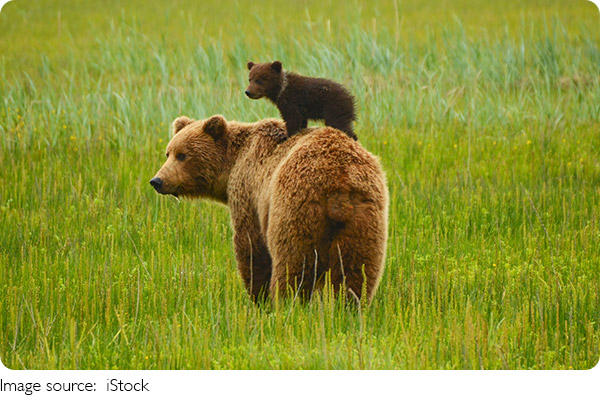
Distance Is Your Advantage
Most encounters remain safe if distance is maintained. Bears are less likely to approach if they feel you are not a threat.
Avoid direct eye contact, which can be interpreted as a challenge. Instead, keep the animal in your peripheral vision while gradually increasing space.
If the bear moves away, do not follow. Allow it to leave the area completely.
Using Safety Equipment
Carrying appropriate gear adds another layer of protection.
• Bear spray is widely recommended and effective when used correctly
• Keep it accessible, not stored deep in a bag
• Understand how to activate it before entering wildlife areas
Proper use requires awareness of wind direction and distance.
Travel Planning and Access
Many well-known wildlife regions, such as Yellowstone National Park or Katmai National Park and Preserve, provide structured guidance for visitors.
• Access: Typically via road networks or small aircraft depending on location
• Park Entry Fees: Usually range from $20–$35 USD per vehicle
• Guided Tours: Around $100–$300 USD, often including safety briefings
Staying informed through official visitor centers improves overall safety.
Why Calm Decisions Matter
In most cases, outcomes depend less on the animal and more on human reaction. Quick, uncontrolled responses increase risk, while calm, deliberate actions reduce it.
Bears are not seeking conflict—they are reacting to situations. When you understand their behavior and maintain awareness, encounters become manageable rather than dangerous.
Confidence Through Preparation
Walking into wild landscapes should not feel uncertain. With the right knowledge, awareness, and preparation, you can explore confidently while respecting the space of wildlife.
Safety is not about eliminating risk entirely—it is about understanding it well enough to respond with clarity when it matters most.