Art Of Ikebana
Naveen Kumar
| 26-02-2026
 · Art Team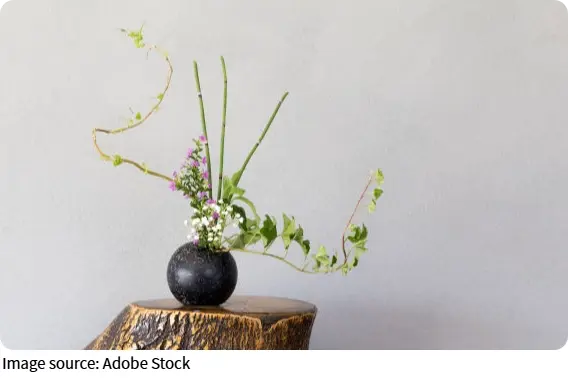
Japanese traditional ikebana is the art of flower arrangement. It is more than simple decoration. We arrange flowers, branches, and leaves to express harmony, balance, and respect for nature. This art began long ago with offering flowers in front of sacred spaces.
Over time, it developed into a cultural practice that people still study and enjoy today. In ikebana, we do not just place flowers in a container.
We think about space, shape, line, and meaning. Each element has purpose. We observe the natural form of plants and keep their original beauty. Through careful design, we connect nature with daily life.
Core Principles Of Japanese Flower Arrangement
The main idea of ikebana is balance between heaven, earth, and human life. This concept guides the structure of each arrangement. We usually build the design around three main stems. The tallest stem represents sky. The medium stem represents people. The lowest and strongest part represents earth.
We pay attention to negative space. Empty space is important because it allows the arrangement to breathe. It creates calm energy and highlights the beauty of each plant.
Simplicity is another key principle. We avoid overcrowding. Instead, we focus on clear lines and natural forms. Small details often make a strong visual impact.
Main Styles Of Ikebana
There are different styles in Japanese flower arrangement.
1. Upright Arrangement. We place tall stems in a narrow container. The design usually stands straight and shows elegance. It is often displayed in special rooms or near walls.
2. Flat Arrangement. We use a shallow container and fix the plants with a support tool. This style emphasizes surface view. People often look at it from above. It is common in tea spaces and quiet rooms.
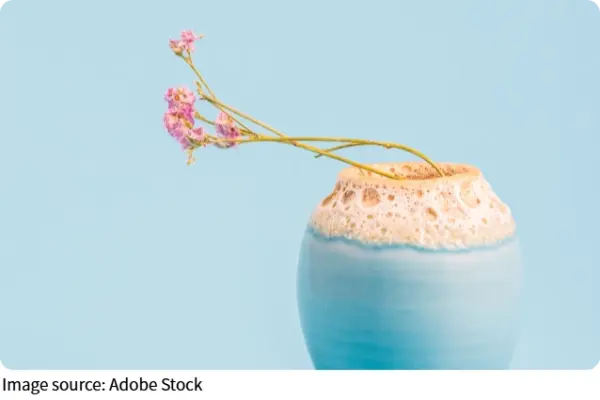
3. Free Style. It allows more creativity. Designers combine flowers with dry branches, stones, metal, or other natural materials. This style expresses modern ideas while still respecting tradition.
Each style follows structure but allows personal expression.
Materials And Tools
We use many natural materials. Fresh flowers are popular, but branches, leaves, grass, and seasonal plants are also important. Dry plants and special materials add texture and contrast.
Material choice depends on season and theme. Spring flowers bring bright colors. Autumn branches create warm tones. We select plants that match the message we want to show.
Containers play a key role. They can be ceramic, glass, metal, or stone. Shapes vary from round to square and tall to flat. The container supports the design and adds artistic value.
A stem holder helps fix plants in position. It keeps the structure stable and allows precise placement.
Schools And Cultural Development
The oldest school began in Kyoto and has deep historical roots. It values tradition and spiritual meaning. Its arrangements often focus on strong structure and respect for natural forms.
Another school encourages bold creativity. It uses unusual materials and modern concepts. Artists explore new shapes and express personal style freely.
A third school helped spread ikebana to more people. It introduced modern methods and made flower arrangement accessible to the public. Because of this effort, many people learned ikebana as a hobby and profession.
These schools show how tradition and innovation grow together.
Meaning And Practice In Daily Life
Ikebana is not only art. It is also practice for focus and patience.
- When we arrange flowers, we slow down and observe carefully. We adjust height, angle, and balance step by step.
- We respect the natural shape of each plant. If a branch bends naturally, we use its curve instead of forcing it straight.
- Many people feel calm during practice. It reduces stress and improves awareness of details. Through regular practice, skills improve and creativity grows.
Embracing The Spirit Of Ikebana
Japanese traditional ikebana flower decoration combines nature, structure, and artistic thinking. We use simple materials to create meaningful designs. Balance, space, and harmony guide every arrangement. Ikebana reminds us to appreciate nature and find beauty in simplicity. Thank you for reading, Lykkers. Let us explore art together and feel the quiet power of flowers in our daily life.
Ikebana | Traditional Japanese Art of Flower Arrangement
Video by Green Tea