Minimalist Still Life Decor

Liam Reilly
| 12-02-2026
 · Lifestyle Team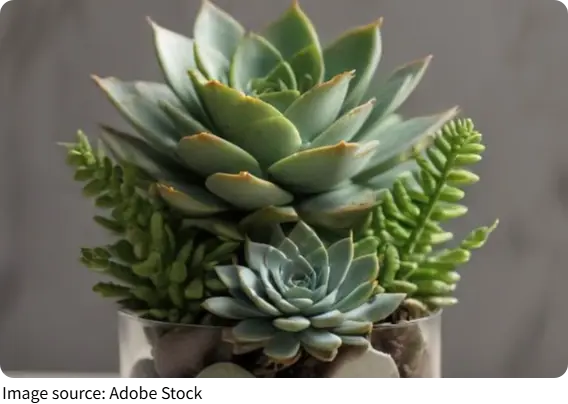
Walking into a room with clutter-free surfaces can feel surprisingly calming.
Minimalist still life decoration isn't just about empty space—it's about creating visual harmony and letting a few thoughtful pieces tell a story.
Even a single vase or sculptural object can give your interior a sense of balance and sophistication.
Choosing the Right Objects
When it comes to minimalist still life, less truly is more. Focus on pieces that have clean lines, subtle textures, and neutral colors.
Tips for selection:
Select one or two statement items rather than filling the space. For instance, a ceramic vase with an unusual shape can draw attention without overwhelming the scene.
Incorporate natural elements like smooth stones, driftwood, or a small succulent. These add warmth while keeping the design understated.
Consider materials carefully—glass, concrete, or matte ceramics work beautifully for minimalist aesthetics.
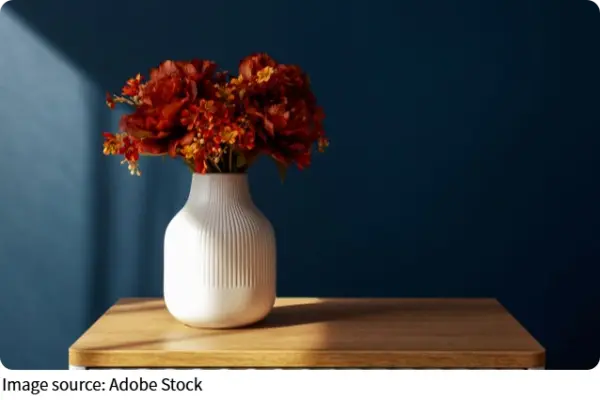
Actionable example: Place a single white ceramic vase on a light wooden sideboard and add a few sprigs of dried eucalyptus. The simplicity will elevate the space immediately.
Balancing Colors and Textures
Color choice is crucial for minimalist decor. Stick to a soft, neutral palette, and let textures create interest rather than bold colors.
Tips for balance:
Use varying shades of whites, grays, and beiges to keep the arrangement visually appealing.
Introduce textures like a rough clay bowl or a linen table runner to prevent the space from feeling flat.
Avoid overcrowding—negative space is part of the design and gives each piece room to shine.
Actionable example: Arrange a smooth gray stone next to a matte beige candle on a clean tabletop. The contrast in surface finish adds subtle visual intrigue.
Placement and Composition
Where you place your objects can define the overall impact. Minimalist still life thrives on intentional composition.
Tips for placement:
Work with odd numbers—groups of three or five items often appear more natural and balanced.
Adjust height and size—tall objects at the back, shorter in front, create depth.
Align objects with surrounding furniture to maintain clean lines and harmony.
Actionable example: On a console table, place a small sculpture beside a medium vase and a low, flat tray. Step back to ensure spacing feels open and visually balanced.
Seasonal and Natural Touches
Even minimal setups benefit from seasonal adjustments. A single seasonal branch or flower can refresh the room without clutter.
Tips for seasonal touches:
Rotate one natural element according to the season—twigs in winter, fresh greenery in spring.
Use dried flowers or leaves for longer-lasting arrangements that still bring texture and subtle color.
Pair natural elements with neutral objects to maintain the minimalist feel.
Actionable example: Add a thin branch of winter berries in a simple clear vase on a side table. Its vibrant color pops without overwhelming the minimalist setup.
Maintaining Simplicity
Minimalist decoration requires restraint and occasional reassessment. Over time, even a few items can start to feel cluttered.
Tips for upkeep:
Periodically remove items that no longer add to the visual harmony.
Clean surfaces regularly to keep them crisp and reflective of the minimalist aesthetic.
Avoid trends that introduce unnecessary complexity; stick to timeless shapes and materials.
Actionable example: Every two months, evaluate your tabletop or shelf setup. Remove anything that feels excessive and rotate a favorite item back in to keep the look fresh.
Creating a minimalist still life in your home is about finding beauty in simplicity. A few carefully chosen objects can transform a room, offering tranquility and visual interest. With attention to balance, texture, and composition, even the smallest arrangement can make a big statement. Take time to observe your space, experiment with placement, and enjoy the calm elegance that minimalist still life decoration brings.